Boosting Manufacturing Competitiveness: The Role of Energy-Saving Bogie Hearth Furnaces
Hora de emisión:2025-10-31 10:55:21
Vistazo:
Los hornos de solera de bogie, como un tipo clave de equipo de tratamiento térmico, continúan
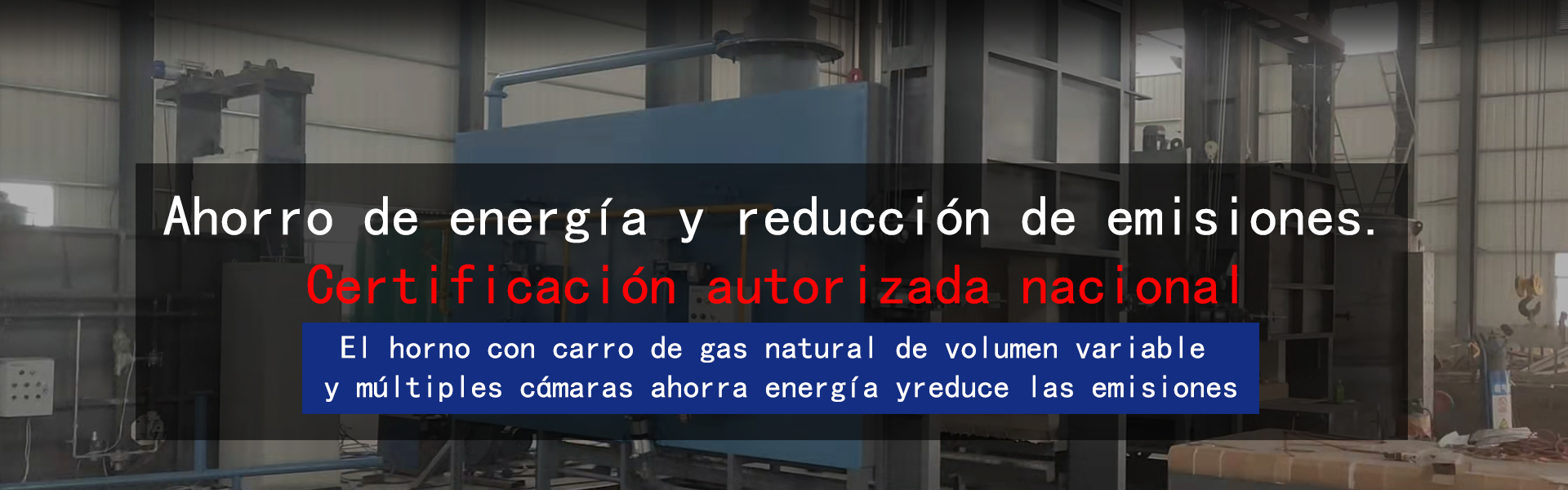
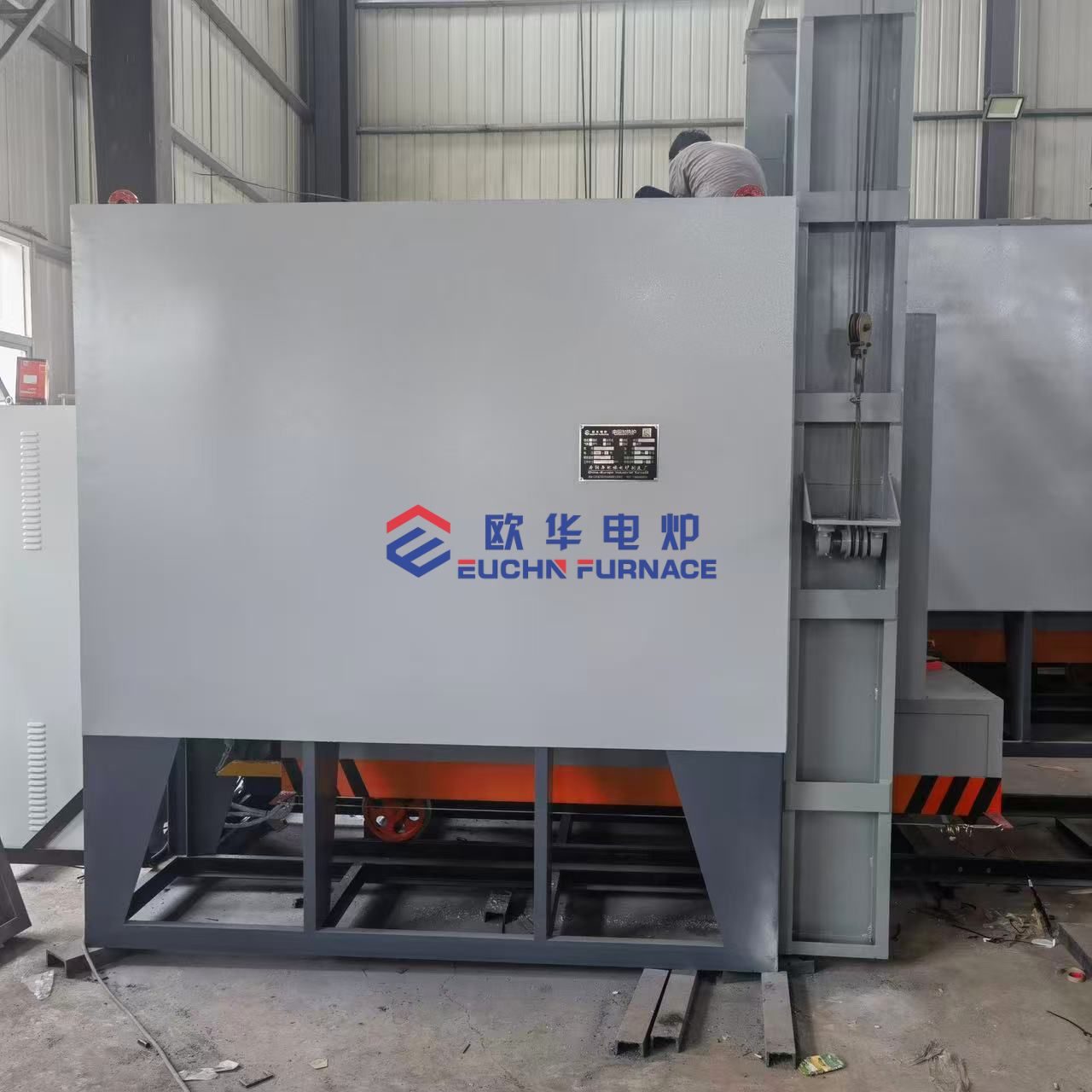
Bogie hearth furnaces, as a key type of heat treatment equipment, continue to play an irreplaceable role in fields such as machinery manufacturing, metallurgy, automotive, and aerospace due to their outstanding performance and flexibility.
Technological Innovation: Four Core Advantages of Modern Bogie Hearth Furnaces
Compared to traditional heat treatment equipment, modern new-type bogie hearth furnaces have achieved a comprehensive leap in performance through multiple technological innovations:
Exceptional Energy-Saving Effects: The adoption of new composite fiber linings results in low heat capacity and excellent thermal insulation, significantly reducing the heat storage and dissipation losses of the furnace body. Combined with advanced sealing technology (such as automatic sealing between the bogie and the furnace body), heat leakage is effectively eliminated. Energy consumption can be reduced by up to 30% compared to traditional old-style kilns.
Precise Intelligent Control: Integration of advanced PLC (Programmable Logic Controller) and intelligent temperature control instruments allows for the programming and execution of complex heating, soaking, and cooling curves.
Convenience and Safety of Operation: The movement of the bogie and the lifting of the furnace door are all achieved through electric or hydraulic drive, resulting in a high degree of automation and significantly reducing the labor intensity of workers.
Wide Process Adaptability: Through different atmosphere configurations, bogie hearth furnaces can easily realize a variety of heat treatment processes, including but not limited to annealing, normalizing, tempering, heating before quenching, and stress relief for castings and forgings, demonstrating powerful process adaptability.
Wide Range of Applications, Empowering Core Manufacturing Industries
Key application scenarios include:
Large Metal Components: Such as annealing and tempering of large gears, bearings, main shafts, and pressure vessels.
Castings and Forgings: Stress relief and aging treatment of large steel castings and forgings.
Automotive Molds: Heat treatment of large stamping molds and die-casting molds.
Investigación científica e instituciones : se utilizan para la investigación y el desarrollo de nuevos materiales y para experimentos de enseñanza .
Para las empresas que buscan mejorar la calidad de sus productos , reducir el consumo energético y optimizar los costos de producción , invertir en un horno de vagoneta moderno y tecnológicamente avanzado es, sin duda, una decisión rentable a largo plazo . No solo se trata de un equipo para completar el proceso de tratamiento térmico, sino también de una herramienta poderosa para que las empresas mantengan su competitividad en un mercado competitivo.
Especificaciones técnicas principales:
1
Dimensiones efectivas de trabajo
Largo 1800 × Ancho 1800 × Alto 1200mm
2
Dimensiones de la cámara del horno
Largo 2200 × Ancho 2000 × Alto 1300mm
3
Potencia de calefacción nominal
120 kW
4
Temperatura nominal
900℃
5
Temperatura de funcionamiento
800℃
6
Método de calentamiento
Calefacción por radiación + Calefacción por convección
7
Método de cableado
Conexión estelar
8
Fuente de alimentación
~380 V, frecuencia 50 Hz
9
Método de control de temperatura
Control automático de temperatura del programa PID
10
Zonas de control de temperatura
1 Zona
11
Precisión del control del instrumento del punto de medición de temperatura
Clase 0.3
12
Uniformidad de la temperatura del horno
±10℃
13
Capacidad de carga
5 toneladas
14
Aumento de la temperatura de la pared exterior del cuerpo del horno